Unlocking Claude’s True Potential: The 5 Essential MCPs Turning Chatbots Into Operators
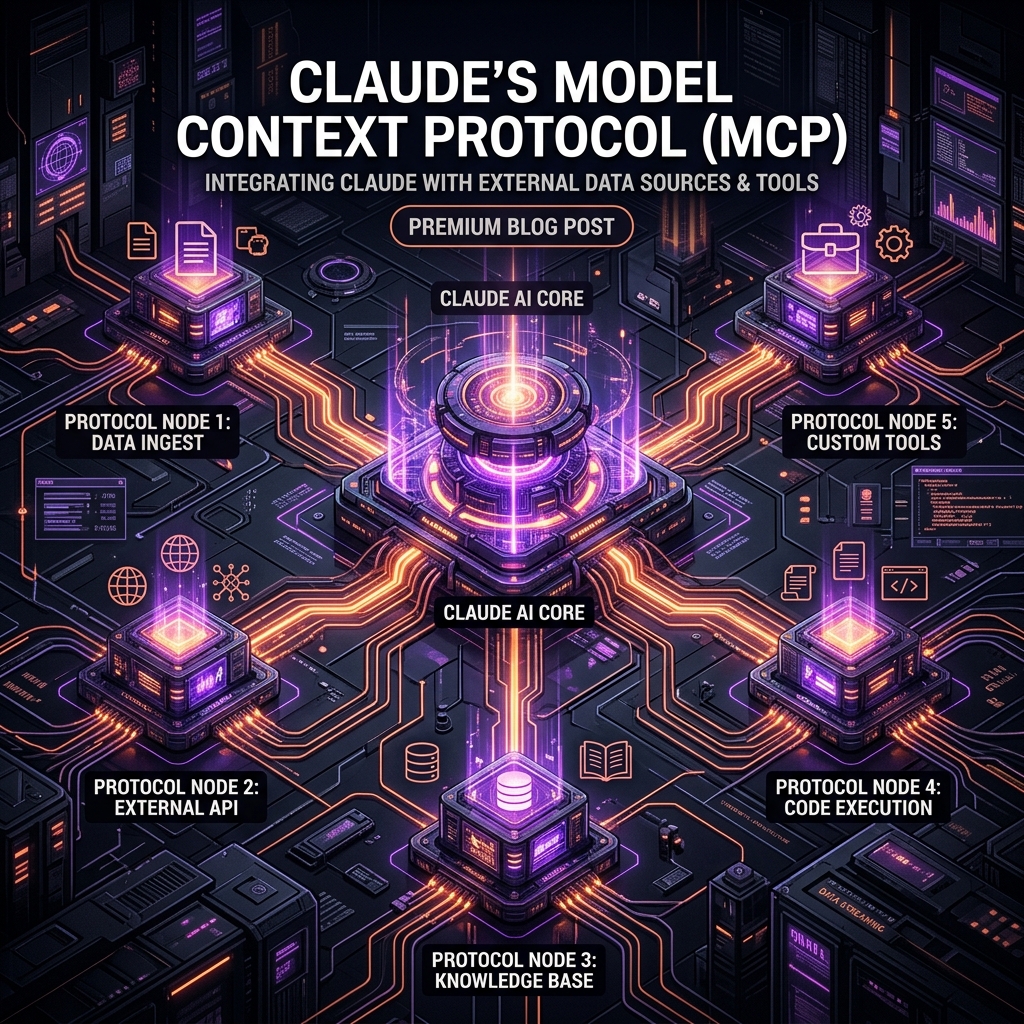
For the average user, interacting with an AI model is a simple conversational exercise: you type a prompt, wait a few seconds, and receive text in return. However, if you are utilizing Anthropic’s Claude strictly through a browser window without tapping into the Model Context Protocol (MCP), you are operating at roughly 10% of the system's true baseline capabilities.
The introduction of MCP changes the paradigm from a reactive chatbot to an active, autonomous operator. By directly bridging the gap between raw intelligence models and localized or cloud-based microservices, developers can supercharge execution speeds and accuracy by magnitudes.
1. Firecrawl MCP Server
Traditional web scraping mechanisms often trip over heavy JavaScript frameworks, dynamic DOM hydration, or complex multi-page architectures. The Firecrawl MCP solves this by converting full web pages into clean, LLM-ready markdown formats automatically.
- The Blueprint: Instead of manually copy-pasting code documentation or technical articles into your chat window, the system scans an entire target website natively.
- Production Scenario: An AI agent tracking tech changes can execute
firecrawl search "Find AI agent benchmarks 2026"to map down new framework numbers, surface performance variables, and output clean JSON structures into your repository.
2. Playwright MCP Server
Taking automation a step further than mere data parsing, the Playwright MCP server grants your model actual screen agency.
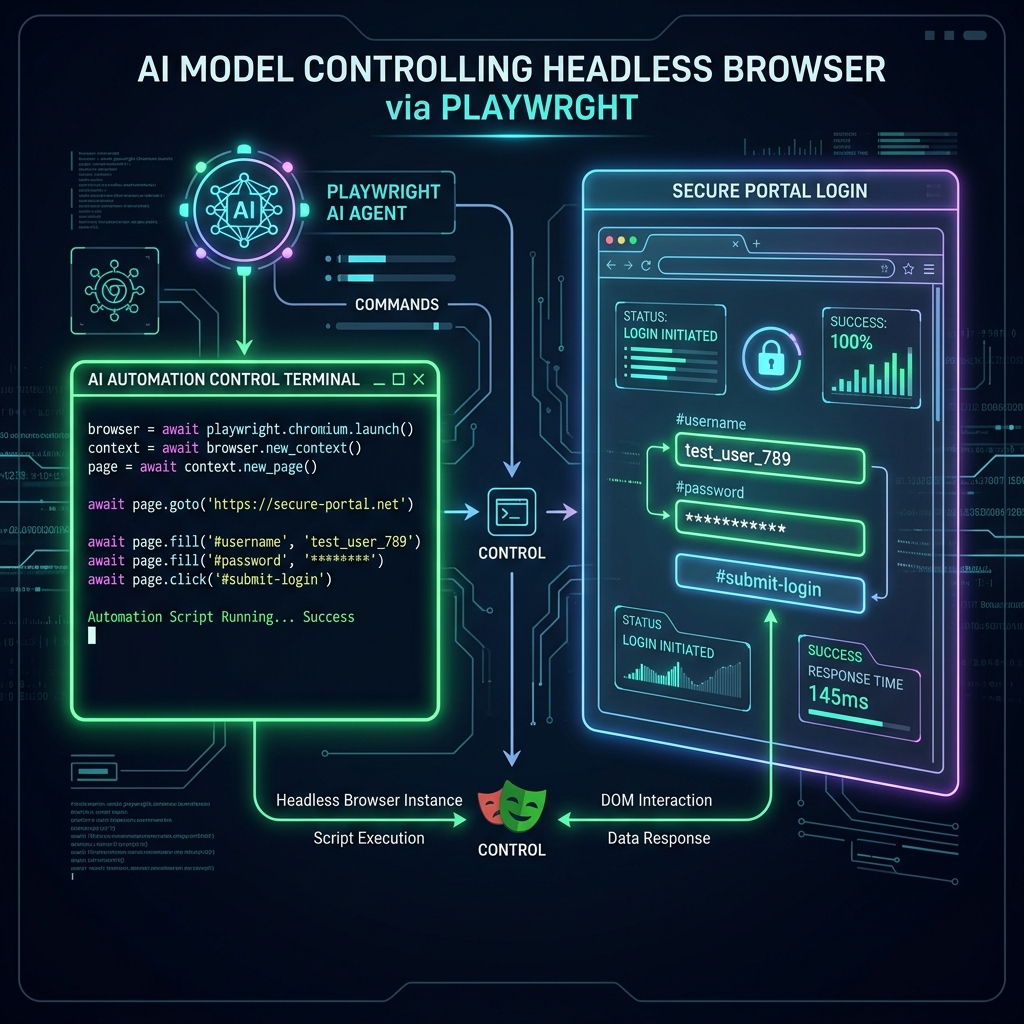
- The Blueprint: Playwright gives the AI the ability to open a browser session, dynamically interact with elements, fill out input elements, click complex action buttons, and bypass traditional UI obstacles.
- Production Scenario: Instead of manually filling out tedious multi-step internal cloud provisioning screens or deployment configurations, you state the final infrastructure goals in plain language and let the agent navigate the browser flow securely on its own.
3. Glif MCP Server
For multi-media generation, programmatic testing, and modern marketing asset compilation, the Glif MCP provides a direct bridge to advanced image and video foundational models.
- The Blueprint: This integration allows Claude to pass descriptive parameters directly to image, vector design, and generative video systems without leaving your development tool workspace.
- Production Scenario: In creative design pipelines or localized content iteration loops, the AI can instantly call on specialized image nodes to build technical diagrams, editorial placeholder graphics, or custom vector charts instantly.
4. Perplexity MCP Server
While language models are deeply knowledgeable up to their training cutoffs, they lack real-time context on very recent industry developments or hot-swapped documentation blocks. The Perplexity MCP solves this constraint.
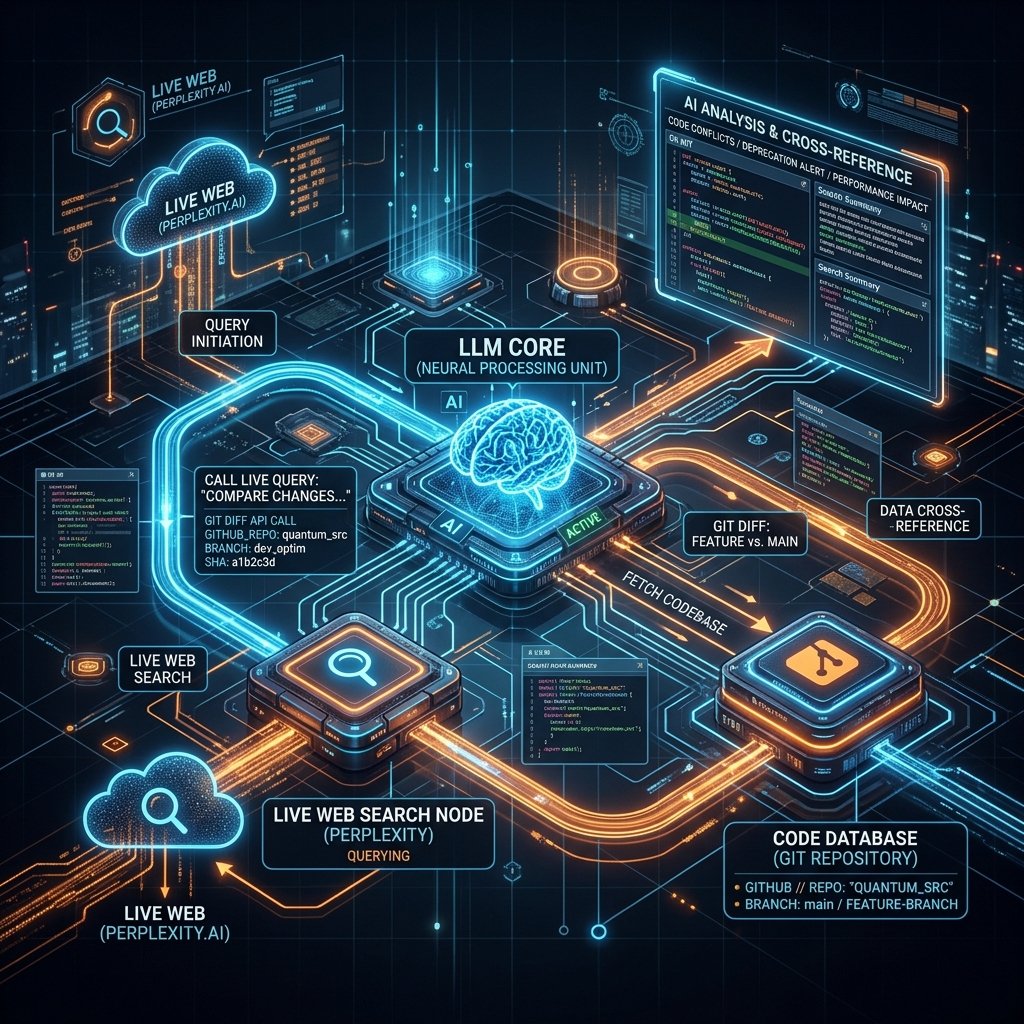
- The Blueprint: It provides the model with live, unfiltered internet access via dedicated search routing layers.
- Production Scenario: If a cloud service introduces a major API update or deprecates a core utility today, the local model can run live verification checks to ensure the code it generates matches the newest architecture patterns without hallucination.
5. Chrome DevTools MCP Server
The Chrome DevTools MCP acts as the definitive control layer for developers running local debugging routines.
- The Blueprint: This protocol setup allows the AI model to see, monitor, and directly interact with open Google Chrome tabs running locally in your development environment.
- Production Scenario: This integration shifts the AI from an external assistant to an embedded operational layer. The agent can monitor local application state logs, evaluate errors inside your web console, modify network settings, and fix UI layout errors on the fly.
Key Takeaways: From Text Generation to Real Actions
| MCP Server Protocol | Primary Engine Feature | Core Workflow Improvement |
|---|---|---|
| Firecrawl MCP | Dynamic site-to-markdown parsing | Rapid data aggregation and technical tracking |
| Playwright MCP | Headless browser execution agency | Zero-human form filling and interactive testing |
| Glif MCP | Multi-media model integration nodes | Automated generation of graphics and assets |
| Perplexity MCP | Live web verification query layer | Elimination of dataset cut-off hallucinations |
| Chrome DevTools MCP | Direct local browser tab integration | Live execution auditing and local application debugging |
Conclusion: The Era of the System Orchestrator
The real lesson from these modern MCP configurations is that AI maturity has moved past the era of clever prompt engineering. The most successful developers in the current ecosystem are no longer writing elaborate paragraphs to trick models into better behavior.
Instead, they are constructing modular, highly integrated protocol infrastructures. By embedding these five essential MCP layers into your architecture, you transform a standard conversational language assistant into a powerful, high-speed engineering operator that handles end-to-end implementation loops autonomously.