Beyond the Chatbot: Meet "The Agency" – An Open-Source Corporate Stack of 232 Custom AI Specialists
When most companies or developers deploy artificial intelligence, they usually settle for an interface trap: a single, generalized chatbot. They type an unstructured instruction like "act as a backend developer," and receive a bland, average response. The AI attempts to be everything at once, which means it excels at nothing.
But a tectonic shift is happening in agentic architectures.
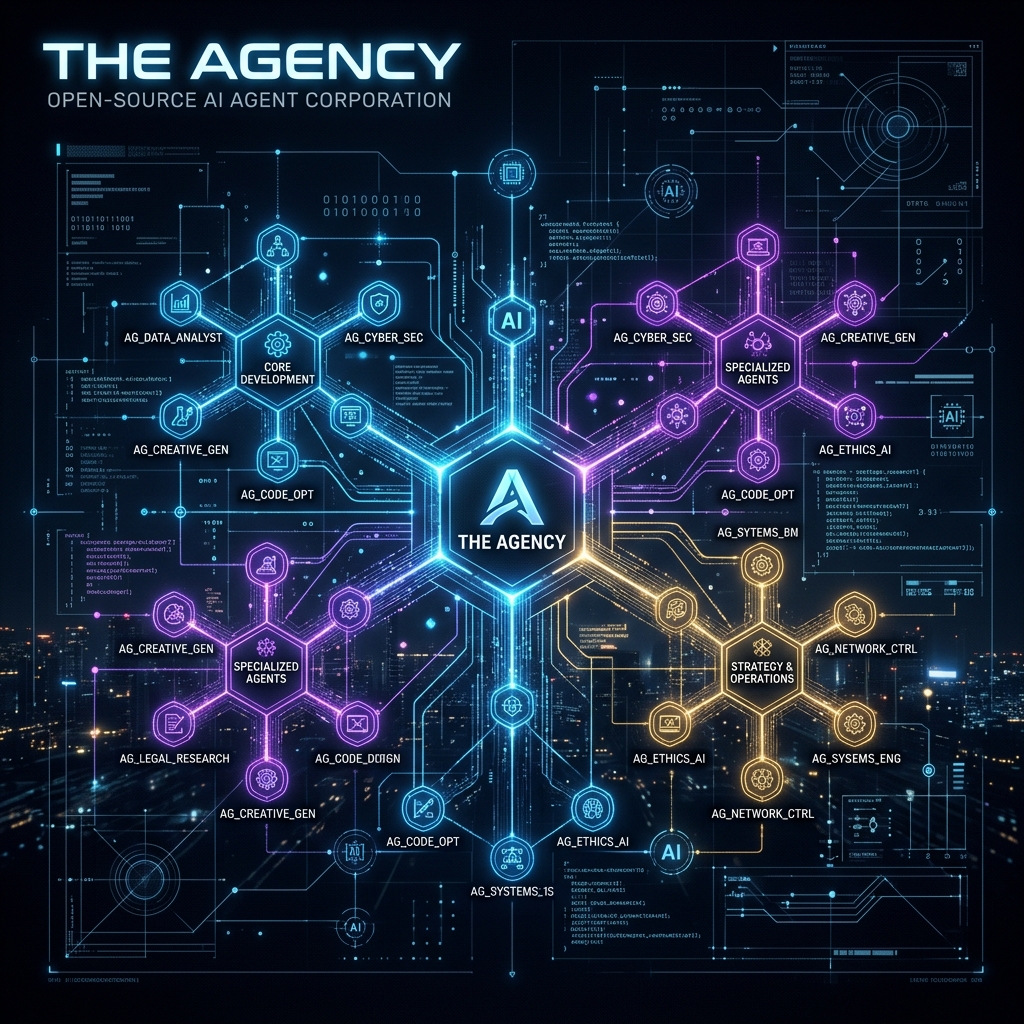
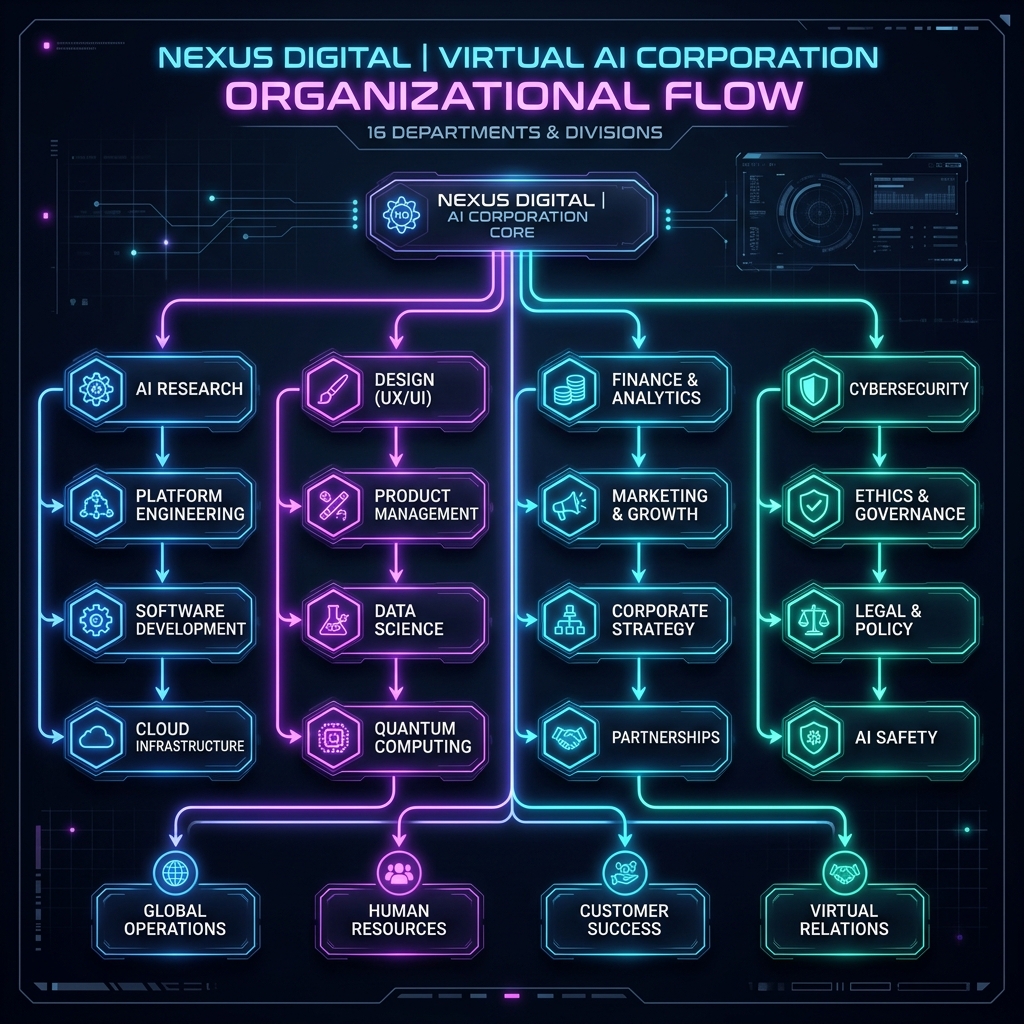
An open-source, MIT-licensed project named agency-agents (referred to colloquially as The Agency) completely flips this concept on its head. Instead of a single chatbot, it allows you to initialize a massive, fully structured virtual corporation consisting of 232 specialized agents broken down into 16 operational divisions.
The Anatomy of an Autonomous Agency
The project maps out a business model using markdown configuration structures. Rather than standard, shallow system parameters, each of the 232 agents is custom-built with explicit architectural constraints.
Every agent profile within the repository includes:
- A Distinct Personality: A concrete voice, clear memory boundaries, and a distinct professional point of view.
- A Documented Workflow: The exact mechanical steps, logical rules, and data paths the agent must follow to resolve an issue.
- Concrete Deliverables: A precise standard for the artifact it must produce before passing the job down the chain.
For example, look at the project's Backend Architect profile. The configuration doesn't just broadly tell the LLM to write code. It explicitly targets senior architectural logic: scalable microservice designs, database schema indexing, optimization, secure API routes, and cloud resilience parameters. It understands its job requirements, standards, and expected output before you provide a specific assignment.
Orchestrating the "Starter Squad"
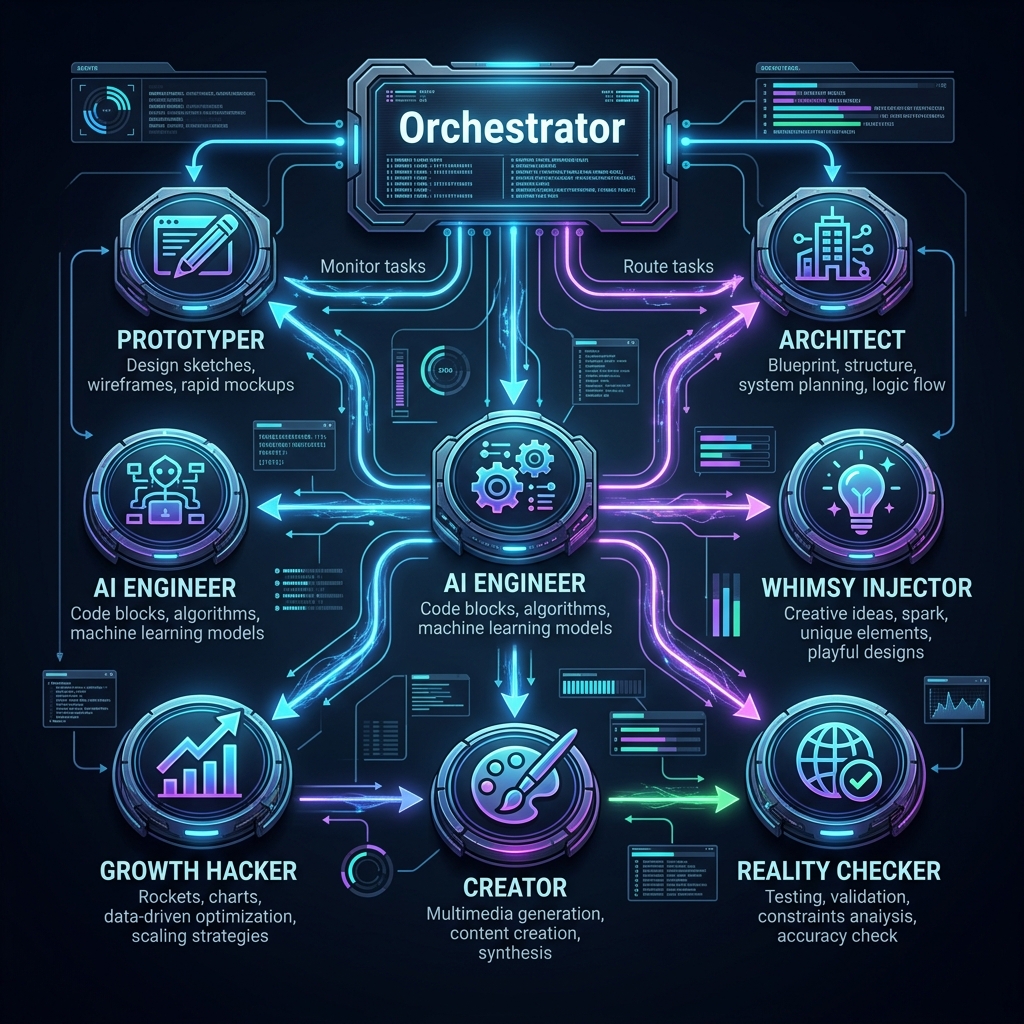
Attempting to run 232 concurrent agents immediately is a recipe for operational choice paralysis. For lean projects or fast application builds, the framework outlines a hyper-effective Starter Squad of 7 fundamental agents designed to turn raw concepts into functional code architectures:
- The Rapid Prototyper: Rapidly transforms a basic product concept into a minimum viable proof-of-concept.
- The Backend Architect: Structures database tables, API microservices, and system constraints.
- The AI Engineer: Focuses on model selection, data embedding pipelines, and localized inference variables.
- The Whimsy Injector: Adds unique brand delight and thoughtful interface behaviors to make digital products feel distinctly human.
- The Growth Hacker: Builds automated conversion tracking, viral feedback loops, and metrics experiments.
- The Content Creator: Manages product messaging, automated editorial timelines, and copywriting across distribution channels.
- The Reality Checker: A professional skeptic agent. Its default status is critical analysis, and it actively flags system issues or refutes code logic until the build passes real verification metrics.
The Real Unlock: The Agents Orchestrator
The major technical milestone of The Agency is that you do not manually route tasks from the Prototyper to the Architect, and then to the Reality Checker. The project introduces a centralized Agents Orchestrator whose system prompt reads: "You are the leader of this process."
When you supply a high-level outcome—such as "build and ship this landing page"—the Orchestrator acts as an autonomous project manager. It analyzes the requirements, breaks the project down into distinct operational sprints, calls on the Backend Architect for systems setup, coordinates with Frontend specialists, and refuses to mark the task complete until the Reality Checker signs off on the final code build.
One Command to Deploy an Entire Organization
Because each specialist is built as a plain text markdown template, the entire enterprise environment is lightweight, transparent, and completely customizable. Setting it up within an agentic tool like Claude Code or Cursor is a simple one-line script execution:
# Clone the open-source repository
git clone https://github.com/msitarzewski/agency-agents

# Initialize the automated setup script for your preferred coding workspace
./scripts/install.sh --tool claude-code
Once executed, all 232 specialists populate directly into your workspace. Because the foundational logic is abstracted across markdown files, these custom agent parameters instantly transfer to 14 different development spaces, including Cursor, Copilot, Windsurf, Aider, and local Gemini environments.
Key Takeaways: Prompting vs. Agentic Organizations
| Interaction Metric | Traditional Prompt Framework | The Agency Architecture |
|---|---|---|
| Context Execution | Surface-level chat boxes; prone to role drifting | Hard-coded system personalities, guidelines, and metrics |
| Workflow Management | Human operates as the project manager at every turn | Autonomous Agents Orchestrator handles routing and tasks |
| Output Consistency | Highly variable; dependent on perfect manual prompting | Structured deliverable requirements ensure clean code artifacts |
Conclusion: Stop Prompting, Start Orchestrating
The release of projects like The Agency represents a major shift in how engineers leverage generative computing. The value of software engineering is moving rapidly away from writing specific textual inputs, shifting instead toward architecting resilient, multi-agent frameworks.
By deploying a pre-configured team of specialized agents, developers stop acting as basic line-by-line prompt writers and instead step into the role of technical directors—defining the target goal and allowing a tailored virtual engineering company to build, verify, and deliver the final codebase.