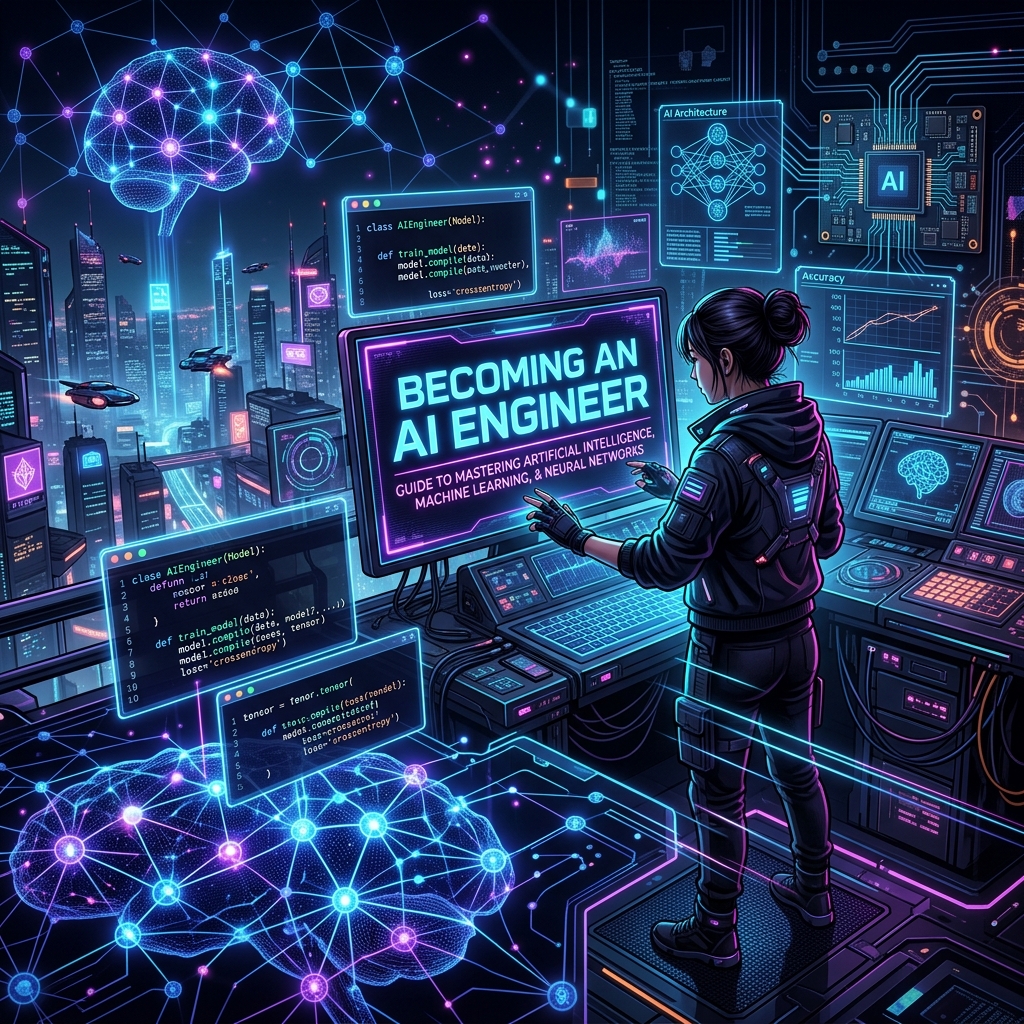
The 2026 Blueprint: How to Become an AI Engineer From Scratch
The demand for artificial intelligence engineering has completely reshaped the software development industry. We are no longer just building simple wrappers around APIs or writing basic prompting text; we are architecting complex, production-grade agentic frameworks, multi-layered retrieval systems, and scalable intelligence pipelines.
If you had to wipe the slate clean and relearn AI engineering from absolute scratch right now, the roadmap looks vastly different than it did even a couple of years ago.
This modern blueprint outlines the exact four-stage technical pipeline required to build high-value credibility and excel as an AI Engineer.
Stage 1: Robust Programming Foundations
Before touching a single weight or machine learning framework, you must possess solid fundamental software engineering habits. AI engineering in production is, first and foremost, excellent systems engineering. You need to focus heavily on programming logic, clean code conventions, and basic automation pipelines.
- Core Concepts: Dive deep into API architectures, unit testing, continuous integration/continuous deployment (CI/CD) practices, code debugging, and advanced Git workflows.
- Essential Curriculums: Start by validating your computational fundamentals through Harvard's CS50 computer science path, then bridge your local ecosystem gaps using MIT's foundational framework, The Missing Semester of Your CS Education.
Stage 2: Deep AI & Machine Learning Foundations
Once your code architecture is stable, it's time to demystify the inner mathematical workings of modern language models. To build elite applications, you need to understand precisely how data behaves as it transitions through neural networks.
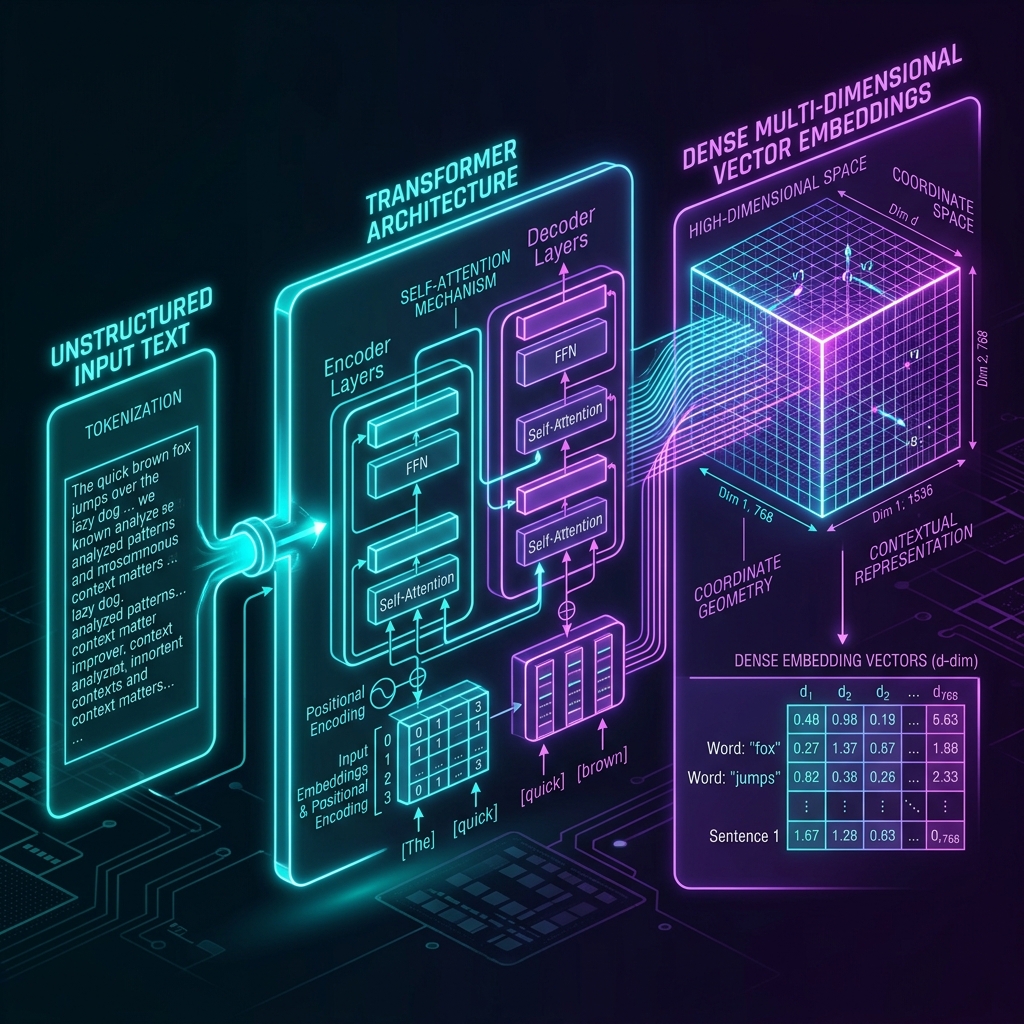
- Core Concepts: Spend time deeply understanding basic machine learning parameters, matrix operations, dense vector embeddings, attention mechanisms, and the core structural layers of the Transformer architecture.
- Essential Curriculums: Work directly through Andrej Karpathy's masterclass series, Neural Networks: Zero to Hero. Supplement your conceptual, visual intuition by reviewing Amazon's MLU-Explain interactive visual resource maps.
Stage 3: High-Scale System Design
An AI model doesn't operate in a vacuum. In enterprise architectures, the bottleneck is rarely the model's raw generation capacity; it is the data orchestration, low-latency fetching, and high-concurrency scaling surrounding the model layer.
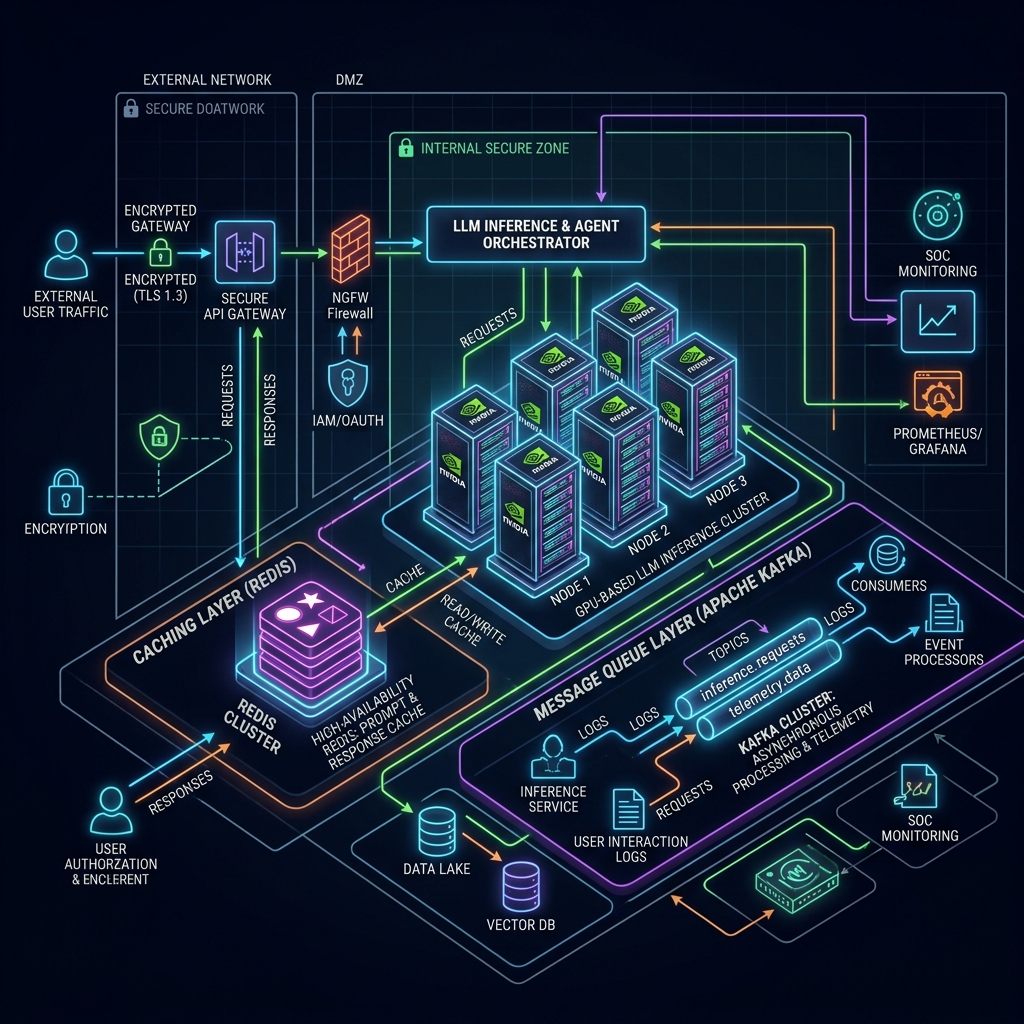
- Core Concepts: Master the art of load balancing, distributed system caching, message queues, specialized high-speed databases, scaling limits, and resilience patterns.
- The Ultimate Blueprint: Study the definitive community asset, The System Design Primer repository on GitHub. It maps out everything required to build real-world, high-traffic systems that support high computational requirements.
Stage 4: Hands-On Production Projects
Do not fall into the infinite trap of "tutorial hell" by spending months collecting completion certificates. The final and most critical phase of your education is immediate, dirty-hands implementation. Rather than completing five minor toy projects, focus on architecting a single, comprehensive, production-grade system.
The Gold Standard Project: Build an enterprise-grade Production Agentic RAG System. Do not rely on third-party frameworks like LangChain right away; construct the complete data retrieval pipeline, specialized agent routers, evaluation models, and LLMOps monitoring layers yourself from scratch.
Key Takeaways: Your Learning Stack at a Glance
| Phase | Primary Technical Focus | Core Recommended Asset |
|---|---|---|
| 1. Programming | APIs, CI/CD, Clean Code, Testing | Harvard CS50 / The Missing Semester |
| 2. Foundations | Neural Networks, Embeddings, Transformers | Karpathy’s Zero to Hero / MLU-Explain |
| 3. System Design | Load Balancing, Caching, Scalability | The System Design Primer (GitHub) |
| 4. Implementation | Agentic RAG, Evaluation, LLMOps | Custom Open-Source Repositories |
Conclusion: Build Beyond the Wrapper
Becoming an elite AI engineer doesn't require access to a billion-dollar laboratory cluster—but it does require an absolute commitment to deep technical mastery. By methodically moving from software fundamentals to foundational machine learning logic, scaling system design, and raw, hand-coded implementation, you establish the exact portfolio needed to stand out.
Stop prompting surface-level abstractions. Build the systems from the ground up.
Download the AI Engineering Roadmap
Access the ultimate structural curriculum resource and step-by-step blueprint transitions to speed up your path towards becoming an AI Engineer in 2026.
Download PDF Roadmap