Master Claude Code: The Ultimate Resource Guide for Next-Gen Developers
The landscape of AI-assisted engineering is evolving at a breakneck pace, and Claude Code—Anthropic's agentic command-line tool—is positioning itself as a cornerstone for modern developer workflows. While many developers have barely scratched the surface, mastering this tool is rapidly becoming a critical differentiator in software engineering.
To help you get ahead of the curve, this comprehensive guide compiles 17+ elite, free resources categorized into structured courses, open-source GitHub repositories, and practical tutorials. Whether you are looking to understand the core mechanics of LLMs or build highly scalable multi-agent systems, these curated tracks are designed to fast-track your proficiency.
1. The Core Learning Paths: 4 Free Courses
Building a strong theoretical and practical foundation is non-negotiable. These four world-class courses offer over 40 hours of structured content to elevate your understanding of machine learning and agentic frameworks:
- Harvard CS50 AI: An exceptional introduction to Artificial Intelligence concepts using Python, laying down the computational logic needed to work with advanced models.
- Fast.ai Practical Deep Learning: Deep learning for coders with no math or PhD prerequisites required, emphasizing practical code execution over dense academic theory.
- Stanford CS229 (Andrew Ng): A masterclass covering the core foundational principles of machine learning, essential for anyone wanting to truly understand model behavior.
- Google ML Crash Course: A fast-paced, 15-hour hands-on guide utilizing TensorFlow to help you master machine learning workflows from data preparation to optimization.

2. Production Blueprints: 7 Essential GitHub Repositories
To move past basic prototyping, you need to study how code is structured at scale. These seven repositories cover everything from fundamental prompt tracking to complex context protocols:
llm-course: A complete LLM course packed with interactive Jupyter Notebooks to explore raw architecture designs.awesome-llm: A carefully curated list of tools, frameworks, and foundational resources across the LLM landscape.open-interpreter: A natural language computer interface that lets language models run code locally.privateGPT: A secure, local setup allowing you to interact with your documents privately without risking data leaks.autogen: Microsoft's prominent multi-agent conversation framework, ideal for understanding parallel AI collaboration.langchain: A robust ecosystem built for creating highly composable applications using large language models.ollama: The definitive tool for running large language models locally on consumer-grade hardware.
3. Hands-On Mastery: 6 Step-by-Step Tutorials
Theory alone won't optimize your workflow. These six targeted technical deep dives map out exactly how to build, refine, and deploy AI-centric architectures:
- Build AI Agents From Scratch: Build pure Python agent systems without relying on third-party abstractions or bloated frameworks.
- LangChain Full Course: A zero-to-production blueprint designed to get an application deployed in under four hours.
- Fine-Tune Your Own LLM: Step-by-step guidance on utilizing LoRA + QLoRA methods to tune open models efficiently on a consumer GPU.
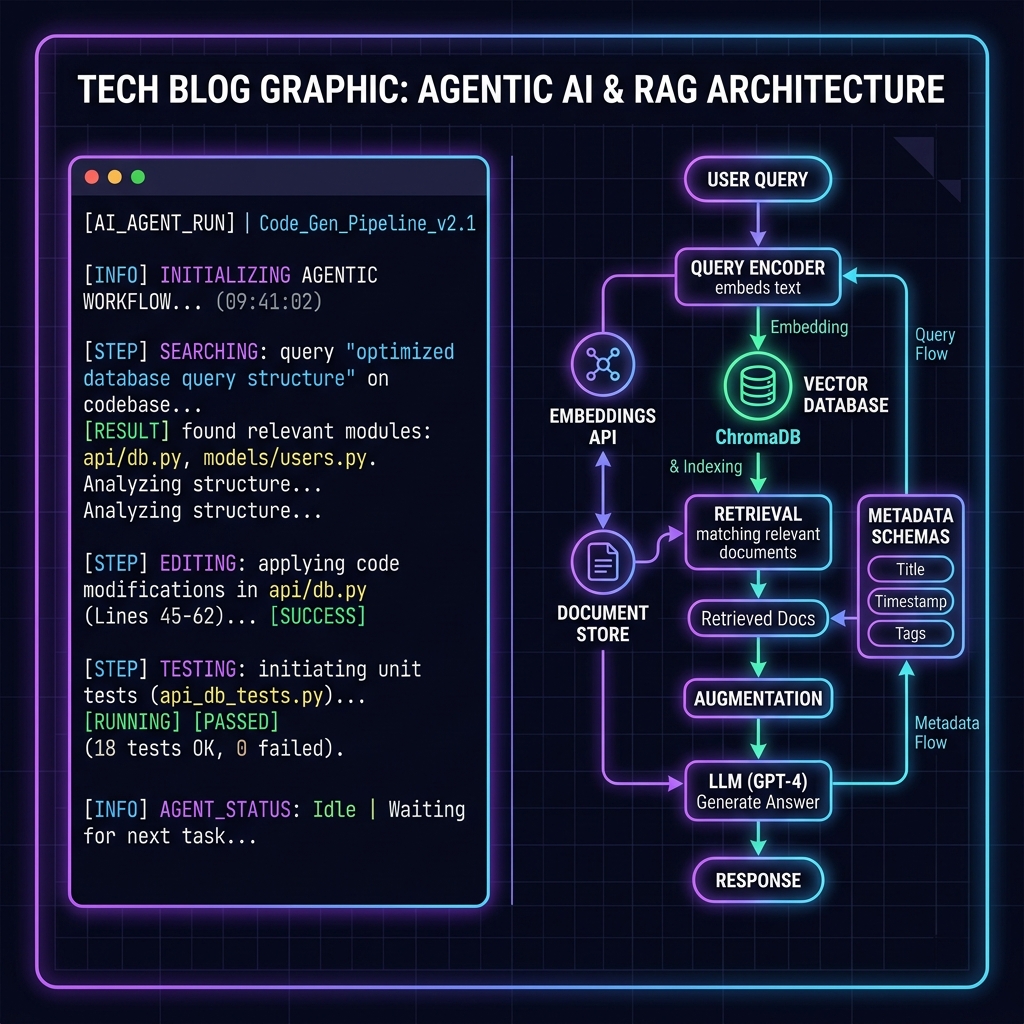
- RAG Pipeline Masterclass: Demystifying vector databases, metadata schemas, and embedding models to handle private enterprise knowledge bases.
- Prompt Engineering Deep Dive: An advanced look at the exact contextual frameworks and multi-step reasoning techniques that professional engineers employ.
- Deploy ML Models at Scale: Learn how to package your custom code using Docker, wrap it in FastAPI, and ship it to cloud infrastructure seamlessly.
Key Takeaways: Your Blueprint to Mastery
| Resource Type | What it Teaches | Expected Outcome |
|---|---|---|
| 4 Academic Courses | Machine learning mechanics & algorithm design | Deep theoretical and architectural credibility |
| 7 GitHub Repositories | Code patterns, local setups, & tool integration | The ability to configure local, privacy-first environments |
| 6 Video Tutorials | Prompt design, RAG pipelines, & microservice hosting | Production-ready development and cloud deployment skills |
Elite Resource Guides & Developer Kits
4 courses, 7 GitHub repos, and 6 tutorials. All free! Plus, get access to these premium developer guidebooks and sales playbooks to take your agentic skills to the next level:
Conclusion: Build, Don't Just Prompt
The shift toward AI-driven software development isn't about replacing engineers; it is about amplifying the capabilities of developers who know how to architect agentic workflows. By leveraging these 17+ open-source assets, you can transform your daily routine—transitioning from manual code generation to building self-correcting, context-aware agent clusters that scale.