Fine-Tuning Demoted: How Unsloth Studio is Democratizing Custom LLMs
Not long ago, training a custom Artificial Intelligence model from scratch was an elite sport. It required tens of thousands of dollars, a cluster of enterprise-grade GPUs, complex server architectures, and a deep understanding of machine learning frameworks. If you didn't have a massive budget or a venture-backed infrastructure, building a truly personalized LLM was out of the question.
That barrier just officially collapsed.
The team behind Unsloth has launched Unsloth Studio, an open-source, no-code web user interface designed for training, running, and exporting open-source AI models entirely locally or via basic web browsers. By turning fine-tuning into a 2-minute setup, they have stripped away the technical complexity of building tailored AI systems.
Watch the Breakdown
Before we explore the underlying technology, see how this tool changes the landscape of open-source development in real time:
What is Unsloth Studio?
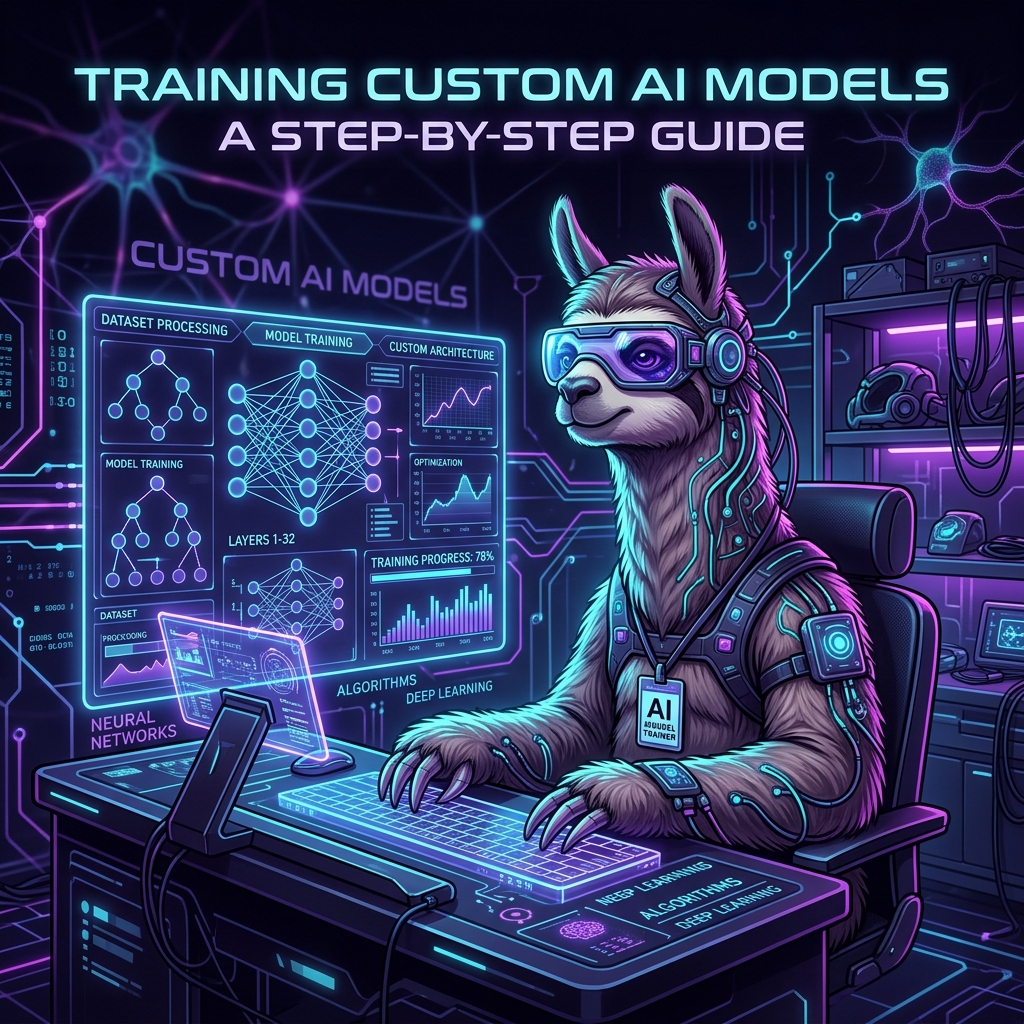
Unsloth Studio is a streamlined, browser-based interface built to handle localized fine-tuning, inference, and data embedding for open-source LLMs. It brings the efficiency optimizations Unsloth is known for—such as their hyper-optimized, low-VRAM training kernels—into a visual ecosystem that doesn't require a terminal.
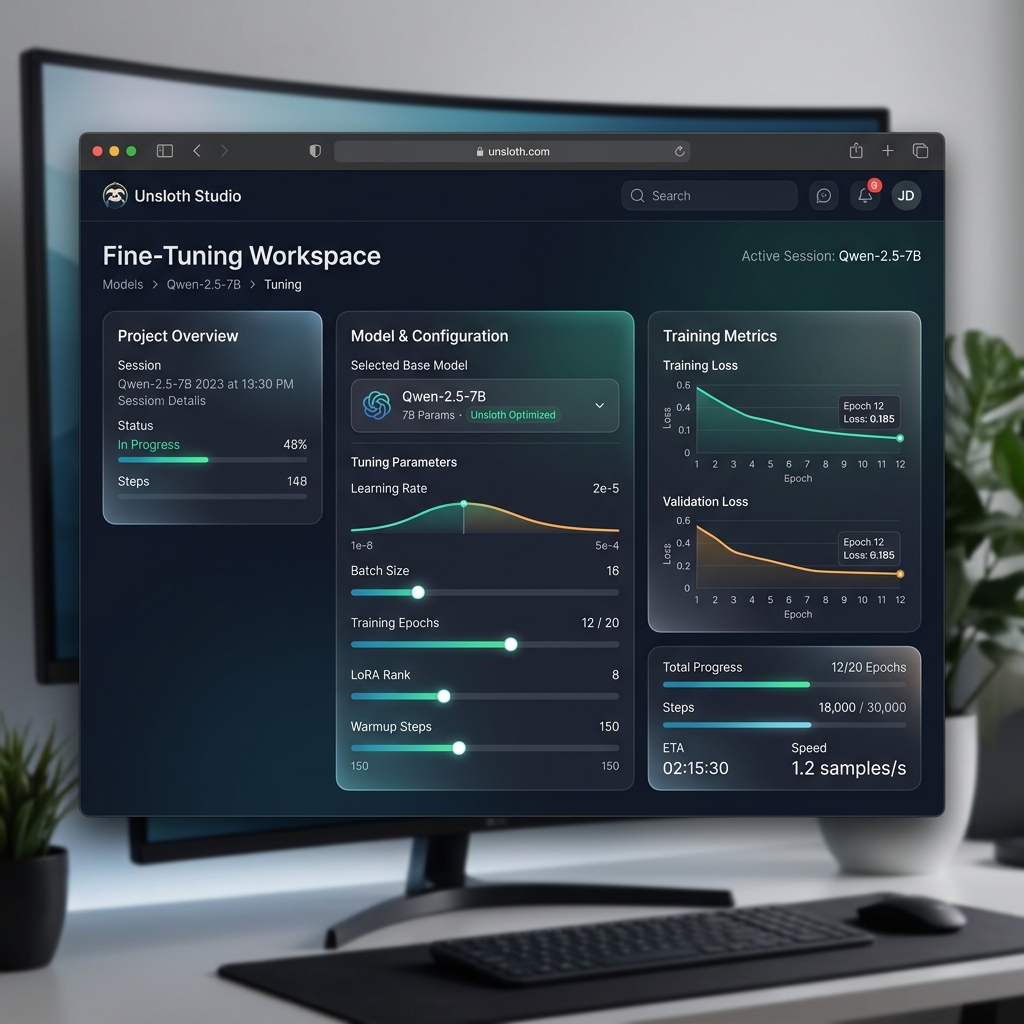
The system simplifies the enterprise machine learning pipeline into three distinct phases:
- No Configuration Overhead: There are no intense local package dependencies, hardware driver headaches, or API setups to manage. You load the UI directly in a standard browser tab.
- Rapid Deployment: The system is built to ingest custom local datasets and initialize training routines within two minutes.
- Broad Local Model Support: It natively runs and handles specialized model configurations like GGUF and safetensors across standard operating systems including macOS, Windows, and Linux.
The Technical Moat: Unsloth's core technology allows models to train up to 2x faster while consuming up to 70% less VRAM without sacrificing mathematical accuracy. Unsloth Studio abstracts this raw power into a clean interface.
Why This Changes the Open-Source Strategy
In the developer community, fine-tuning was often a trade-off between complex cloud infrastructure bills and intense local hardware builds. By drastically reducing the computational footprint required to align an LLM, Unsloth Studio opens the door for hyper-niche use cases.
If you want an LLM that explicitly understands your proprietary codebase, your brand's unique conversational voice, or specialized internal data schemas, you can now orchestrate that pipeline independently.
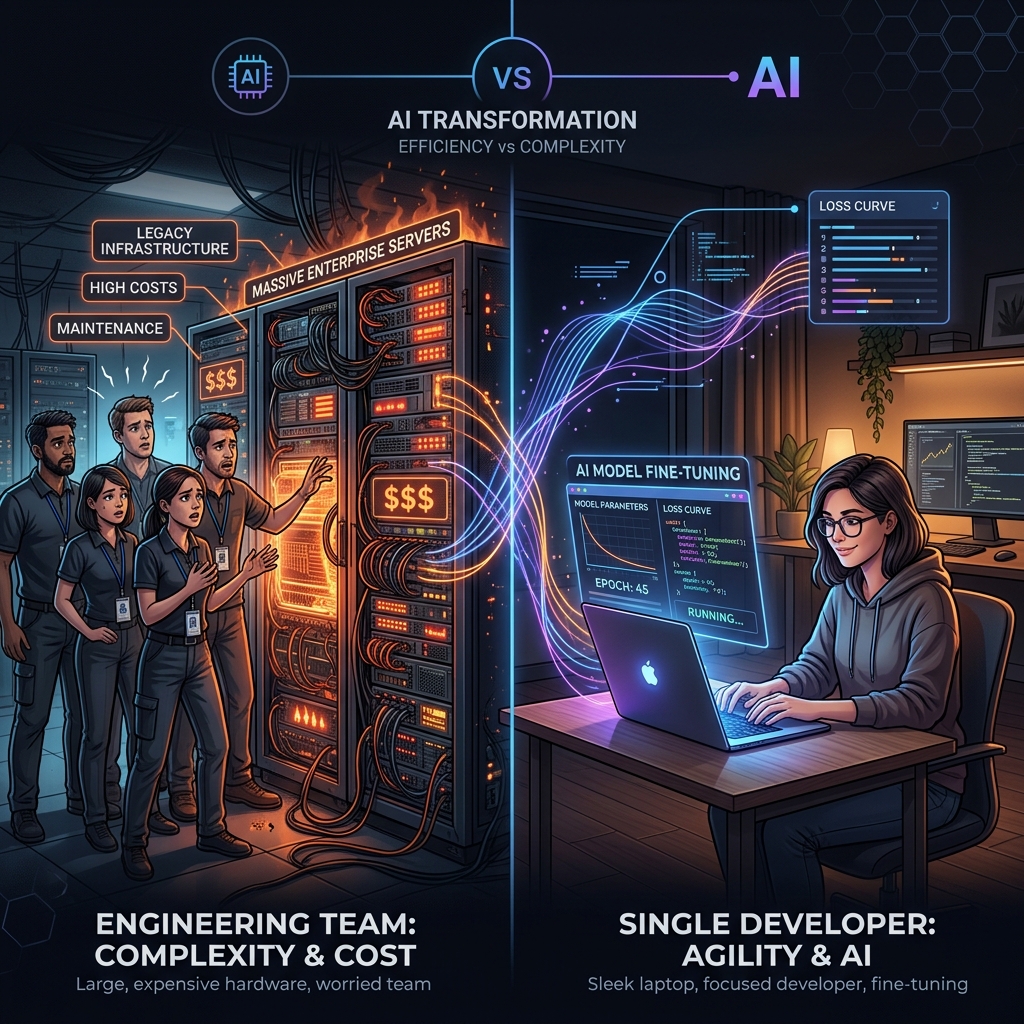
Key Takeaways for Developers and Teams
| Feature | Traditional Fine-Tuning | Unsloth Studio Framework |
|---|---|---|
| Hardware Barrier | High-end dedicated cloud V100/A100 GPU clusters | Drastically lower VRAM overhead; accessible via browser environments |
| Interface Style | Heavy Python scripts, PyTorch configurations, and CLI tooling | A clean, visual, no-code web application workspace |
| Setup Pipeline | Hours/Days of environment validation and data mapping | Under 2 minutes to load, select a base model, and begin training |
- Accessible Customization: The financial and infrastructure barriers to training custom models are effectively gone. Anyone with an internet connection and data can train an LLM.
- Local Control: Supporting GGUF and local formats ensures that data privacy remains intact, allowing teams to keep sensitive documentation completely off external third-party servers.
- Accelerated Iteration: Fast setup and low-VRAM training models mean engineers can prototype, adjust parameters, and benchmark custom weights in hours instead of days.
Conclusion: The Era of the Bespoke LLM
Unsloth Studio marks a distinct shift in how the tech industry approaches artificial intelligence. We are moving quickly away from relying entirely on a few massive, generalized, cloud-hosted frontier models. The future belongs to small, highly optimized, hyper-specialized models built for distinct operational tasks.
When the tools to build custom AI become this frictionless, the true value shifts from the underlying hardware back to the quality of your data and creative execution.